
Herniated Discs: Cervical, Thoracic, and Lumbar
- Home
- Conditions
- Herniated Discs: Cervical, Thoracic, and Lumbar

Ready to Start Your Journey to Recovery?
Contact us today to schedule your initial consultation and take the first step towards a pain-free life.

Herniated Discs: Cervical, Thoracic, and Lumbar
The human spine serves as the central support structure for the body and a pathway for the nervous system. This intricate column of bones, muscles, ligaments, and tendons is a testament to the incredible design and adaptability of the human body. The spine’s unique combination of strength and flexibility enables us to stand upright and move in a wide range of motions. Yet it also protects the delicate spinal cord that transmits vital signals between the brain and the rest of the body.
The spine is divided into three main sections:
- The cervical spine in the neck
- The thoracic spine in the mid-back
- The lumbar spine in the lower back
Each section has its own function, working together to facilitate movement and support the upper body’s weight.
However, the spine is not invincible, and problems can arise. One of the most common issues is a herniated disc. This can happen in any part of the spine – cervical, thoracic, or lumbar – and can cause pain, numbness, or weakness in the arms or legs, depending on the location of the herniated disc.
This article will look at herniated discs in all three spine areas. We’ll cover their causes, symptoms, and how doctors treat them. After reading, you’ll understand more about herniated discs and how to better care for your spine.
Understanding Herniated Discs
A herniated disc happens when the outer part of the disc breaks and the inner part leaks out. This can press on a nerve, leading to a pinched nerve. It might cause pain, numbness, or weakness in the arms or legs. The leaked inner part can also inflame the nerve, adding to the pain.
Herniated discs can happen in the neck, upper, mid-back, or lower back areas. Where the disc herniates affects where you feel the pain. Knowing the signs for each area can help you get the proper treatment faster.
Herniated Discs in the Cervical Spine
Cervical herniated discs can cause problems ranging from the neck to the arms. People may feel pain, pins and needles, numbness, or weakness. In bad cases, with a large disc herniation, the spinal cord might get hurt. This can lead to symptoms radiating to the legs. It might even affect bowel and bladder control.
What Are Intervertebral Discs?
One of the spine’s most impressive aspects is its ability to provide both stability and mobility. The spine is strong enough to withstand the stresses of daily life, yet it is also flexible enough to allow for a wide range of movements. The intervertebral discs make this possible.
Intervertebral discs are like small cushions between the bones in your spine. They act as shock absorbers, helping your spine stay flexible and strong. Each disc has a tough outer layer and a jelly-like center. When you move or jump, these discs protect your spine from getting hurt. However, if a disc gets damaged or worn out, it can cause pain and other problems, such as disc compression.
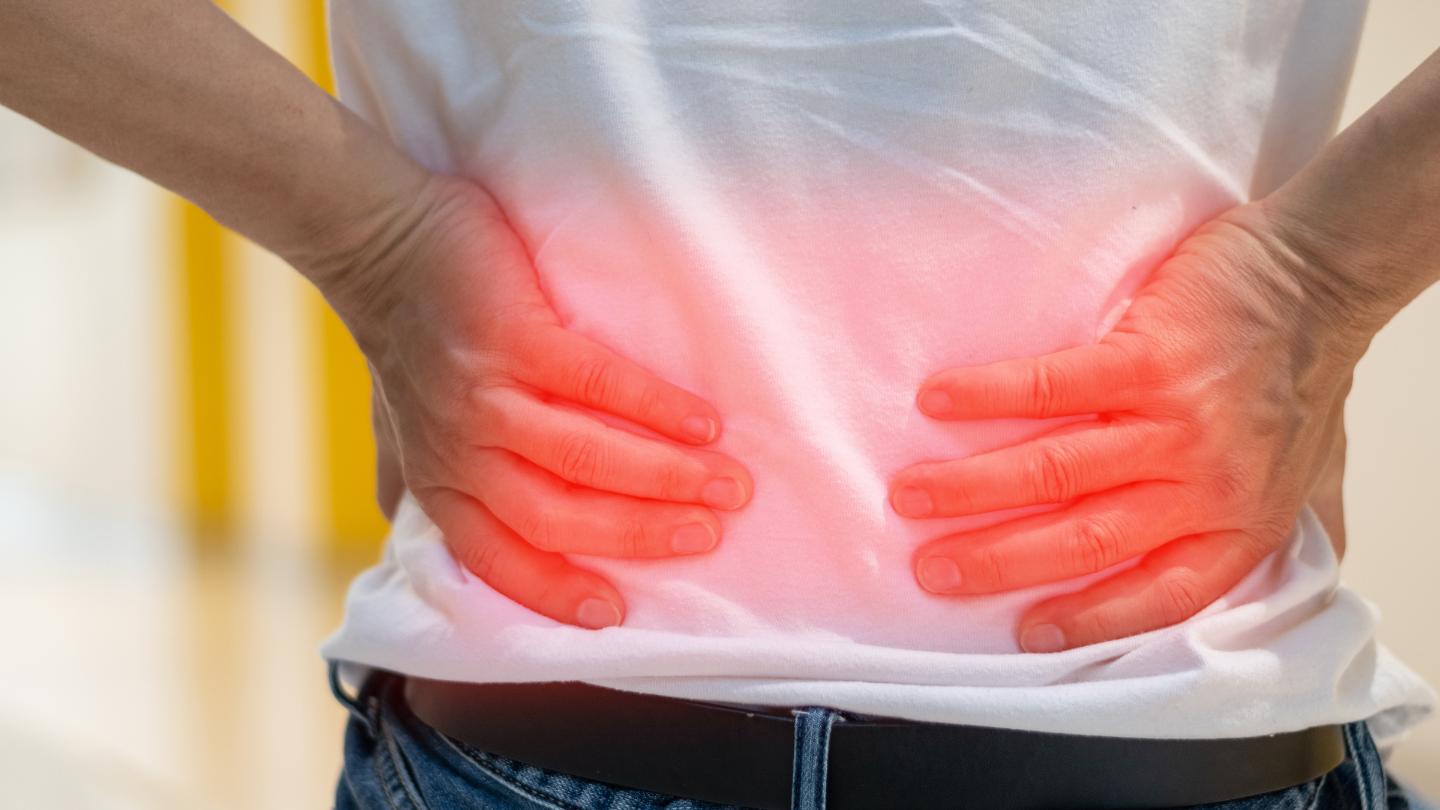
Symptoms of Cervical Herniated Discs
- Neck Pain: Sharp or burning pain in the neck, which may spread to the shoulder or arm.
- Arm and Hand Pain: Pain that radiates down the arm and into the hand, often described as sharp or electric-like.
- Numbness or Tingling: A sensation of pins and needles or a loss of feeling in the shoulder, arm, or hand.
- Weakness: Weakness in the shoulder, arm, or hand muscles that make it difficult to lift or hold objects.
- Headaches: Occasional headaches, particularly at the back of the head.
- Reduced Range of Motion: Difficulty moving the neck due to pain and stiffness.
Herniated Discs in the Thoracic Spine
While herniated discs are usually found in the neck and lower back, they can also happen in the middle back. A thoracic herniated disc can make your back ache around the same level. It might hurt more if it presses on a nerve. You could feel pain or numbness from your back to your chest or belly, sometimes even causing thoracic herniated disc rib pain.
Thoracic Herniated Disc Symptoms
Symptoms of herniated discs in the thoracic spine (the middle part of the spine) can include:
Upper and Mid-Back Pain: Persistent or sharp pain in the herniated disc upper back and middle back area.
- Pain Radiating Around the Chest or Abdomen: Pain that wraps around the ribcage or radiates to the chest or abdomen, sometimes mimicking heart or lung problems. This is often a key sign of a herniated disc mid-back.
- Numbness or Tingling: A sensation of pins and needles or numbness in the chest, back, or abdomen.
- Muscle Weakness: Weakness in the upper back, chest, or abdomen muscles.
- Difficulty with Balance and Coordination: If the spinal cord is compressed, there may be trouble with walking, balance, or coordination.
- Loss of Bladder or Bowel Control: In severe cases, a herniated disc middle back can cause problems with bladder or bowel function, which requires immediate medical attention.
Herniated Discs in the Lumbar Spine
A lumbar herniated disc can cause a lot of pain and affect your daily life. The discomfort is experienced in your lower back. You might feel back pain, muscle spasms, or even muscle weakness in your legs. The pain going down your leg can be a condition known as sciatica. This can lead to trouble walking or not moving smoothly.
Symptoms of Lumbar Herniated Discs
Symptoms of lumbar herniated discs occur in the lower back and can include:
Lower Back Pain: Persistent pain in the lower back, often described as a deep ache or sharp, stabbing pain.
- Leg Pain (Sciatica): Pain that radiates from the lower back down through the buttock and into the leg, sometimes reaching the foot.
- Numbness or Tingling: A sensation of pins and needles or loss of feeling in the leg or foot.
- Muscle Weakness: Weakness in the leg or foot muscles, which can make walking or lifting objects difficult.
- Difficulty Standing or Sitting: Increased pain when sitting, standing, or walking for long periods.
- Loss of Bladder or Bowel Control: In severe cases, a herniated disc can cause problems with bladder or bowel function, which requires immediate medical attention.
Diagnosing and Treating Herniated Discs
Dr. Zheng will use various diagnostic tools to see if you have a herniated disc. These can include X-rays, MRIs, CT scans, and other technology to check for a herniated disc. These tests show the disc’s location and the nerve pressure.
Minimally Invasive Procedures
The first line of treatment for a herniated disc is to determine the cause of the pain. Then, Dr. Zheng will advise you on the best methods to treat the problem. Most of the methods Dr. Zheng employs are minimally invasive.
“Minimally invasive” treatments can range from injections and nerve blocks to radiofrequency ablation. They can also involve more advanced innovations like endoscopic spine surgery.
Endoscopic Spine Surgery for Herniated Discs
In Endoscopic Spine Surgery, Doctor Zheng uses advanced techniques to access and treat problem areas using just a few small incisions. He is one of the top board-certified professionals in the United States qualified to perform endoscopic spine surgery. Moreover, he has performed thousands of successful procedures. By utilizing specialized instruments and high-definition cameras, he can perform this minimally invasive surgery with unparalleled precision, and the results are nothing short of incredible.
Frequently Asked Questions About Herniated Discs

25
Years of Spine Experience

15,000
Spine Injections

1000
Endoscopic Spine Surgeries

2000
Open Surgeries
Seeking Medical Attention for Herniated Discs
Feeling pain in your back, neck, or legs? Numbness, tingling, or weakness? It’s time to see a doctor. We will check you, order tests, and suggest the right treatment. Getting diagnosed and treated early is critical. This can prevent lasting nerve damage and boost your chance of getting better without surgery.
You might need a range of treatments. And you may also be able to deal with your pain with self-care methods at home. Either way, seeing a doctor soon helps you deal with a herniated disc effectively. This way, you can get back on your feet sooner and avoid further injuries.
Herniated Disc Treatment From the Best Spine Doctor in New York
From the graceful curves of the cervical spine to the sturdy foundation of the lumbar region, each segment of the spine plays a crucial role in maintaining our posture and facilitating movement. The spine’s ability to withstand the stresses of daily life, adapt to growth and aging, and repair itself after injury is truly awe-inspiring. These discs keep our spine straight and help us move. But if they herniate, it can cause a lot of problems.
You can count on Nature Spine and Joint Care and Dr. Zheng to provide expert, compassionate care and make sure you get the best possible treatment for your spine and joint issues. With our advanced techniques, personalized approach, and commitment to your well-being, you can trust that you’re in capable hands for a healthier, pain-free future.